
 > STORY
>SEA SALT KNOWLEDGE
> STORY
>SEA SALT KNOWLEDGE
SEA SALT KNOWLEDGE
SEA SALT KNOWLEDGE
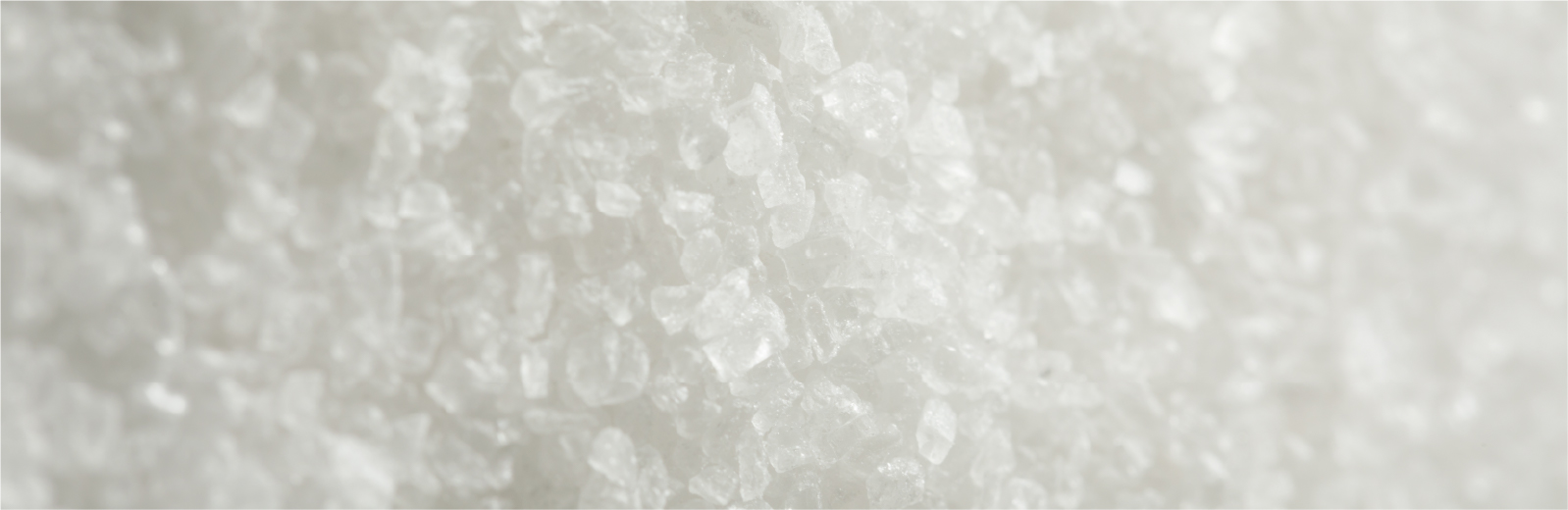
What is Good Solar Salt?
Good solar salt has glossy crystals that sparkle, and with bittern completely removed,
it feels dry and light, naturally falling off without sticking when held in hand.
and everyday life
01
Making Chewy Dough
Adding a little salt and cooking oil to flour dough makes it chewy. Adding some salt when boiling noodles also makes them chewy.
02
Crispy Texture
Pickled cucumbers and other pickled vegetables become crispier when blanched in salt water before pickling.
03
Making Greens Greener
Peas and green vegetables become greener when soaked in salt water before or after boiling.
04
Preventing Browning of Vegetables and Fruits
Salt prevents browning in fruits or vegetables that need to be peeled in advance.
05
Reducing Eye Fatigue and Protecting Vision
Dissolve 1/2 teaspoon of salt in 200cc of brewed green tea. Wiping around the eyes with cotton soaked in this solution helps relieve eye fatigue and protect vision.
06
Salt Water Gargling
Acidic solutions can dissolve teeth. However, gargling with alkaline substances like salt neutralizes acid and promotes healthy teeth. It's best to use very fine salt for this purpose.
07
Storing Fresh Chestnuts
Soaking chestnuts in salty water for a day, then draining and drying them removes insect eggs, preventing worries about worm-eaten chestnuts.
08
Cooking Delicious Rice
Adding a teaspoon of salt and a tablespoon of salad oil when cooking rice makes it fluffier and gives it a glossy, delicious appearance.
09
For Stiff Shoulders
Soaking a towel in water boiled with vinegar and salt, then applying the warm towel to stiff areas before it cools provides relief as if washed away.
10
Making Stir-fried Vegetables Less Greasy
Soft vegetables like eggplant absorb a lot of oil when stir-frying. Excessive oil consumption isn't good for health, but briefly soaking in light salt water before cooking prevents excessive oil absorption.
11
For Skin and Hair Health
Mix salt and water in a 1:1 ratio, apply evenly to showered body, then rinse after a few minutes to remove skin waste and promote healthy skin. Dissolving a tablespoon of salt in water when washing or rinsing hair improves hair texture and feels refreshing.
12
Enhancing Sweetness
Pickled cucumbers and other pickled vegetables become crispier when blanched in salt water before pickling.
13
Enjoying Peanuts
Instead of peeling the inner skin, soaking peanuts briefly in salt water and eating them with the skin makes them tasty and easily digestible, making them good for drinking snacks. Steaming peanuts with their shells and peeling them while hot also provides a unique taste.
14
Preventing Oil Splatter
When stir-frying, add a pinch of salt to the pan before adding ingredients. This prevents oil splatter, allowing you to cook with peace of mind.
15
Storing Sesame Oil
Burying bottles of sesame oil in salt keeps it fresh and fragrant like newly pressed oil, even after long storage.
16
Pickled Garlic
Pickling method: Place garlic in a jar, pour water mixed with 3 cups of vinegar, and soak for about a week. When the spiciness subsides, add water, salt (1 cup) and sugar (1/2 cup), boil thoroughly, cool, then pour back into the jar and seal in a cool place.
17
For Fatigue Recovery
When swelling occurs, soaking feet in warm water with a handful of solar salt, roasted solar salt, or bamboo salt helps remove body fluid through salt's osmotic action. Keep water temperature at 40-41℃, soak feet up to ankles for 20 minutes, once or twice daily for effective results.
18
Pan-fried Tofu
When tofu becomes mushy, first boil some salt water, cut tofu into appropriate size and thickness, put in pot and boil again. After a while, remove and fry for better results without sagging. Also add some salt when blanching tofu to prevent it from becoming too hard.
19
Reducing Saltiness with Salt Water
Washing or soaking overly salty kimchi or salted fish in salt water reduces saltiness. A 1.5% salt solution works best. This is more effective than using plain water due to osmotic pressure principles. For salty pickled cucumbers, using plain water makes them too bland. However, soaking in 1% salt water effectively reduces saltiness.
20
Removing Pesticides from Vegetables
Before cooking any vegetables, pesticides can be removed by salting. When making kimchi, cabbage is typically salted, and as water is drawn out, pesticides are also removed. While cabbage is typically salted overnight, since this draws out too much sweet juice, it's better to generously salt for 3-4 hours, then wash and stuff for better taste.
01
When There Are Many Ants in the House
Sprinkling salt along ant trails will make them go elsewhere.
02
Before Lighting Candles
Sprinkling fine salt under the wick prevents wax from dripping and makes the flame brighter.
03
Removing Residue from Iron Bottom
While the iron is hot, spread salt on newspaper and press the iron bottom against it to easily remove residue.
04
Cleaning Frying Pans
Heat the pan, add moderately coarse salt, and scrub stubborn spots with newspaper. The stubborn spots will be satisfactorily removed.
05
Treating Severe Sores
Soak cotton in strong salt water, apply to sores, replace when dry, and drink a bowl of light salt water for enhanced effect. For ringworm, chewed solar salt can be applied frequently.
06
When Bottles Are Stained / Brushing Teeth
Acidic solutions can dissolve teeth. However, brushing with alkaline substances like salt neutralizes acid and promotes healthy teeth. It's best to use very fine salt for this purpose.
07
When Brooms Are Old
When indoor brooms become uneven from long use, soak in a 10:1 water-to-salt solution for 20 minutes, then dry thoroughly. This restores the original shape and extends usability.
08
Clothes That May Fade
Soak clothes in water with a handful of salt for 30 minutes to prevent color fading. Especially effective for red and black colors. For silk or wool, mix neutral detergent (2g per 1L) with a tablespoon of vinegar to prevent fading.
09
Hanging Laundry Outside on Cold Days
Frozen stiff laundry can break when handled and doesn't dry easily. When drying laundry in cold weather, adding some salt to the final rinse prevents freezing and won't damage clothes due to low concentration.
10
Spring Cleaning
Winter-accumulated dust in window corners and crevices is hard to clean. Use a damp cloth with salt for better results. Salt absorbs dust, allowing thorough cleaning of every corner. For modern blinds, first vacuum dust then wipe each slat with a cloth dampened in diluted detergent.
11
Cleaning Artificial Flowers
Washing artificial flowers in water can cause discoloration or damage. To clean while preventing discoloration and scratches, use salt. Put a handful of salt in a plastic bag with the artificial flowers and shake well to transfer dust to the salt. Then rinse with water.
12
Cleaning Brass Vessels and 10-won Coins
Soaking in a mixture of salt and vinegar effectively removes tarnish. (As a side note, salt promotes a spirit of frugality. Eating salt makes one thrifty, and it also strengthens judgment. Using good quality salt will enhance these effects.)
13
When Washing Machine Overflows with Bubbles
Sometimes detergent spills or excess amounts cause bubbles to overflow in the washing machine. Also, adding one tablespoon of salt per liter of water helps remove dirt effectively when washing or boiling socks, white laundry, or clothes stained with oil. 잘빠진다.