
 > STORY
>SALT STORY
> STORY
>SALT STORY
SALT STORY
Special Stories from Solar Salt
Solar Salt: The Greatest Gift
from Sea, Sun, and Wind
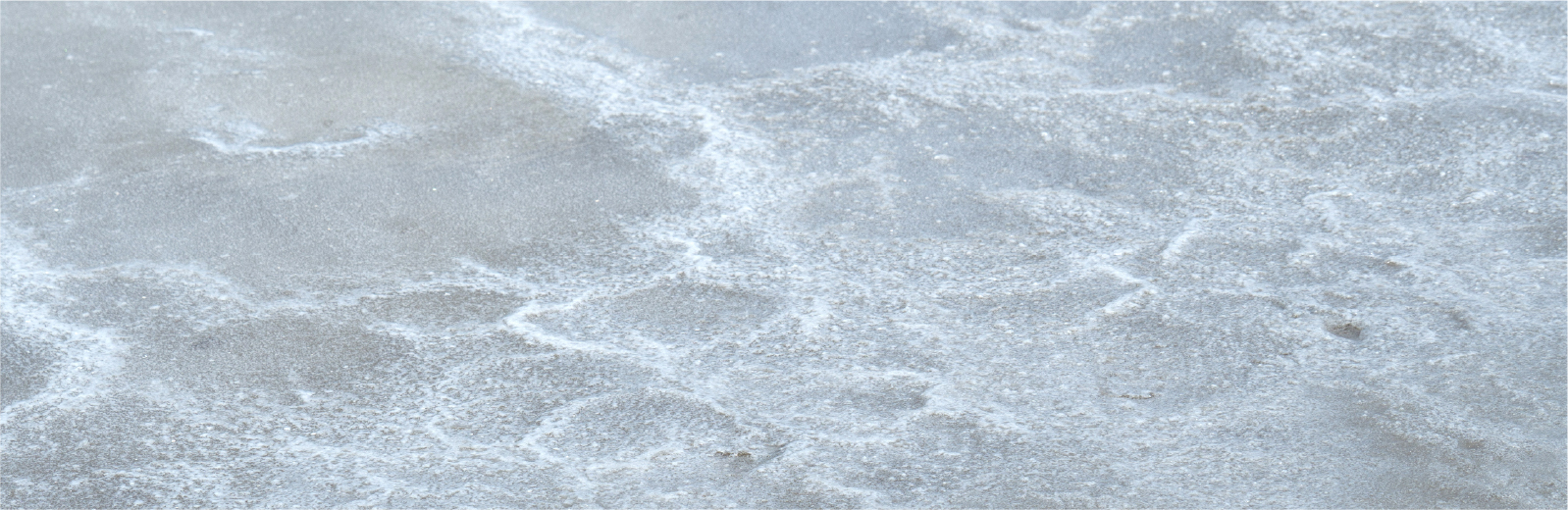
Solar salt is unprocessed salt made by drawing seawater into salt pans and evaporating water and harmful substances through wind and sunlight,
forming coarse, translucent hexagonal crystals.
Solar Salt Fever
Advantages of Solar Salt
Changes in Salt Culture
Japan, which first commercialized refined salt, has recently begun recognizing the importance of solar salt socially and gradually changing its salt culture as various problems emerged from refined salt use, including adult diseases like hypertension and stroke, as well as atopy and skin conditions.
Solar Salt and Hypertension
While excessive sodium intake has been focused on as a cause of hypertension, recent studies have revealed that hypertension is a disease caused by multiple factors including various mineral deficiencies.
Sodium Alternative Salt
Chemical salt that artificially adds potassium for saltiness while reducing sodium chloride content requires caution as it can cause hyperkalemia in people with weak kidneys who cannot excrete potassium, potentially leading to chest pain and heart attacks.
World Premium Salt -
Domestic Solar Salt
Jeollanam-do region's solar salt shows more than twice the calcium and magnesium content compared to solar salt from other parts of the world, and is being rediscovered as a premium salt superior even to France's renowned Guérande salt
Problems with Refined Salt
Refined salt, with over 99% sodium chloride content and widely used as an additive in snacks, ramen, bread, and frozen foods, contains almost no minerals, leading to high blood pressure and obesity. It also reduces calcium absorption in children, hindering growth, and the habit of eating salty foods can expose them to various adult diseases like stroke even after becoming adults.
March 2008:
Reclassified as Food Group
Recognizing the excellence of domestic solar salt, the government reclassified it from mineral to food group in March 2008 and is actively supporting efforts to elevate its status in the global salt market. It is the natural mineral source most similar to the human body's mineral composition. Solar salt, made by evaporating seawater with mineral ratios similar to human plasma, is recently gaining attention as the most balanced source of minerals.
The World's Current Solar Salt Fever
The Foundation of Flavor in the LOHAS Era
Beyond the wellbeing era of "eating well and living well," as the world embraces the LOHAS (Lifestyles of Health and Sustainability) trend combining environmental and health-conscious lifestyle patterns, the use of solar salt is expanding as a fundamental ingredient in LOHAS cuisine.
Solar Salt Reborn as Food
While solar salt was legally classified as a mineral for 45 years after the Salt Management Law was enacted in 1963, the government recognized its excellence and amended the law on March 28, 2008, officially recognizing it as a "food" under the Food Sanitation Act.
Korean Solar Salt: Internationally Recognized First
France's Guérande salt is valued and sold at more than 10 times the price of regular salt (refined or processed salt). Japan, which first produced and sold refined salt over 30 years ago, is now recognizing the value of solar salt anew, showing great interest in Korean solar salt, with famous Japanese department stores exclusively selling solar salt, indicating a gradual change in salt consumption culture.
Solar Salt is Now a Food
Since solar salt was recognized as food in March 2008, more companies are using it to enhance the taste and quality of our traditional foods and fermented products like kimchi, soy sauce, soybean paste, and red pepper paste. Additionally, hotels and famous high-end restaurants are actively using solar salt in their cooking.
Advantages of Solar Salt
Rich in Minerals

According to UNICEF, one-third of the world's population is mineral deficient.
This is due to two characteristics of minerals:
1. The concentration that shows toxicity is not very different from the concentration needed by the body, so taking minerals in pill form can result in toxicity.
2. Minerals have competitive relationships with each other. Like a seesaw, when one increases, another decreases. Therefore, although essential for the human body, deficiency is common. (Recent scientific research has shown that solar salt made by naturally evaporating seawater provides the closest mineral composition ratio to that of the human body.)
Effects of Minerals

It's common knowledge that excessive intake of sodium chloride, the main component of salt, is harmful to the body. However, magnesium (Mg) and calcium (Ca) found in solar salt have been shown to help excrete sodium chloride from the body.
Effective for Commonly Worried About Hypertension

Hypertension is not a problem of excessive salt intake but rather of consuming refined salt with 99% salinity. According to research by Dr. Laragh's team at New York Cornell University Hospital Medical Center, while 30% of the 50 million hypertension patients in the US need to reduce salt intake, reducing salt intake actually worsens the condition for the other 70%. Additionally, research led by Dr. David McCarron of Portland Medical School, studying the diet and health status of 13,072 Americans, found that hypertension occurs due to insufficient intake of minerals like calcium (Ca), not excessive salt consumption. In conclusion, while sodium chloride (NaCl) raises blood pressure, the minerals abundant in solar salt promote sodium excretion, resulting in lower blood pressure.
Contains Antioxidants

Free radicals are known to cause 90% of human diseases. Therefore, they require lifelong vigilance. The body's immune ability to control and remove these free radicals is called 'antioxidant power'.
Contains Antioxidants

Free radicals are known to cause 90% of human diseases. Therefore, they require lifelong vigilance. The body's immune ability to control and remove these free radicals is called 'antioxidant power'.